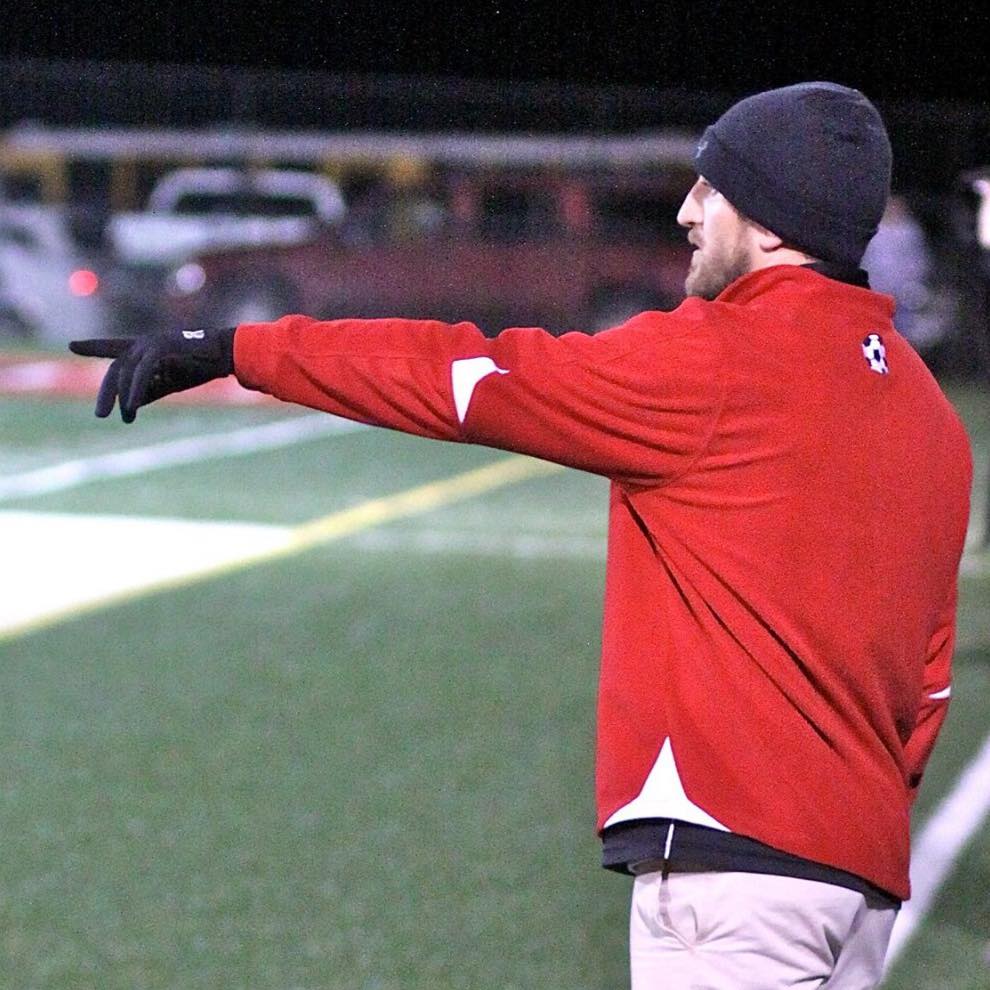
I knew to grow my team I would need to grow as a coach. I had learned a lot in my time in college, but playing was just enough to scratch the surface of coaching. I wrote on a piece of paper and stuck it to the wall in my room:
SHARP BODY = SHARP MIND
SHARP MIND = SHARP COACH
SHARP COACH = SHARP TEAM
The first part was the easiest, looking back. I started running. During that time I would listen to podcasts, a new form of content that was emerging.
For the rest of my plan, I sought out coaching education. This started with my E license (now called grassroots) and then my D, which gave me a solid foundation of language and structural insights into how to build sessions and think of your team as a whole.
More impactful in those early days, though, were the Coaching Symposiums put on by the University of Louisville's coaching staff. At the time, the Cards were a national powerhouse, coming just short of winning a national title.
I learned a lot from Coach Lolla and his staff at the symposiums, but a few things really stuck. The first was the ground rules for what would become my leadership model and how I attempted to create a culture of excellence. I'll never forget his recap of the story of "Whale Done" and how we should manage players in the modern era. They quickly followed this with an anecdote about keeping their players accountable to the team and themselves. Those lessons stuck with me throughout my high school coaching career.
The second was a more flexible framework for drills and activities. For instance, I had thought of passing patterns as rigid plans to be implemented and practiced in a way that mimicked the flow I wanted to create in the game. The left mid passes centrally, then through to the attacking mid, who bounces it out wide the other direction, then a cross. Very structured. UofL gave us a more flexible way for growing technical ability: smaller patterns that kept timing and distance structured but made player allocation fluid. Think four players at stations passing in a diamond. You could run it with four, five, or even ten. The key is keeping the ball moving, asking the players to pick up the pace. Progressing to changing direction on the fly, adding give-and-goes. I had to help set a tempo that created meaningful reps. That's the challenge, but when you find that rhythm you can see the results on the field.
This fixed several problems we had in the early days, but the biggest one immediately: attendance. Now if our left mid missed practice, the passing pattern I had meticulously mapped out wasn't wrecked. We'd just run "the Louisville passing pattern" (diamond), or the hourglass shape, or a larger one if we had the bodies. I could decide which in the five minutes before practice. The reps improved. The quality of our passing and receiving improved tremendously. I learned a valuable lesson here: adaptability was king.
I no longer dreaded planning practices. There were always concepts we would try to incorporate, of course - attacking patterns of play, how to defend central areas - but I did my best to keep the mindset of adapting the things I found to what the team presented me with. Use flexible drills like the passing patterns or possession games. This was paramount in the offseason practices and open fields especially.
In the next six years as head coach, our program took off. Before, we had been the second or third best team in our region. When we traveled to other regions who had soccer programs long before we had a school, we would bemoan the bus rides after six-or-more-goal losses. That changed quickly. We became the number one team in our region every year. We stopped losing every game outside Eastern Kentucky and started competing.
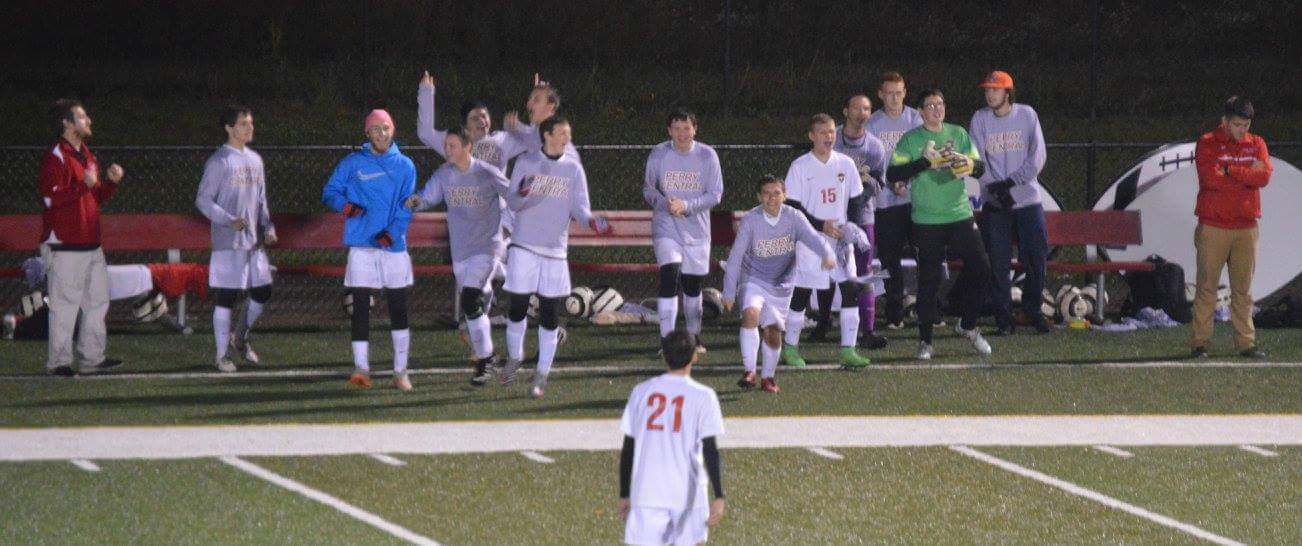
Those seasons had the same pattern: a very strong emphasis on fitness in the preseason with light technical work, a transition to heavy technical and tactical principles on our practice days, and a tightening of our focus as a team and individually once we approached playoffs. A Monday or Wednesday practice might be grueling. I felt like we had to get as much growth as possible during practice. Pregame, we would spend thirty to forty minutes warming up, heavily focusing on technical work through touch lines, passing patterns, and possession drills. The level of competition we were playing allowed us to grow in this model.
After eight years we had accumulated five district and five region championships and made the elite eight of the state tournament the last three seasons straight.
In 2017, after winning the region and making it back to the elite eight, we faced the defending state champions - a 6A powerhouse from western Kentucky. We played well, but in the end dropped a 2-0 decision. It was the closest we had ever been to really making some noise and reaching unprecedented levels of success for a school like ours.
That offseason started like the others had, me going into what many friends call ghost mode - two or three months to recover from the January-to-October grind this had become. It changed dramatically, though, one day with a call from a principal at another school. One in central Kentucky that offered an opportunity to test my coaching ability in the hardest region in the state.
It was incredibly hard to say goodbye to the place I had called home for so long. To say goodbye to what we had built with this program. But this was an opportunity that I knew might be once in a career, and it would provide more opportunities for the rest of my family that I couldn't ignore.
I often say my time there was like finishing a great book: you can be sad that it's over, but to be able to experience it once is one of the true joys in life. And so it was.